
For most of us, the state of Bihar is synonymous to Magadh which was an ancient empire with its capital at Pataliputra or Patna. While it is true for a certain period in history, existence of other early kingdoms which were significant in shaping the narrative of this region should not be overlooked. In my previous blogs, I have discussed about the territory of Vriji Republic which existed in northern Bihar and this post is an attempt to do justice to another such empire i.e. Anga or Angpradesh. In 2018, I had a brief interaction with Angpradesh when I visited Bhagalpur for scholarly research on Manjusha Art.
Last year i.e. in 2023, I visited Bhagalpur several times to explore its rich cultural heritage through a work opportunity. With the visits and secondary research, I realized that not only the city, but the entire district/region has several layers of chronological account which starts with the foundation of Anga kingdom[1]. It was founded by asura King Bali who had five sons namely Anga, Vanga, Kalinga, Pundra, and Sumha, and the kingdom that expanded and developed under him was named after his five sons. A detailed description of the kingdom is found in Atharvaveda which mentions that Magadha and Anga were separated by River Champa, and it comprised regions of modern Jharkhand and West Bengal including districts of Munger and Bhagalpur. A place known as Malini was the capital of Anga which is also mentioned in Puranas as Champa Malini. The name Champa is derived from groves of Champaka trees that surrounded the place and were an integral part of the landscape.
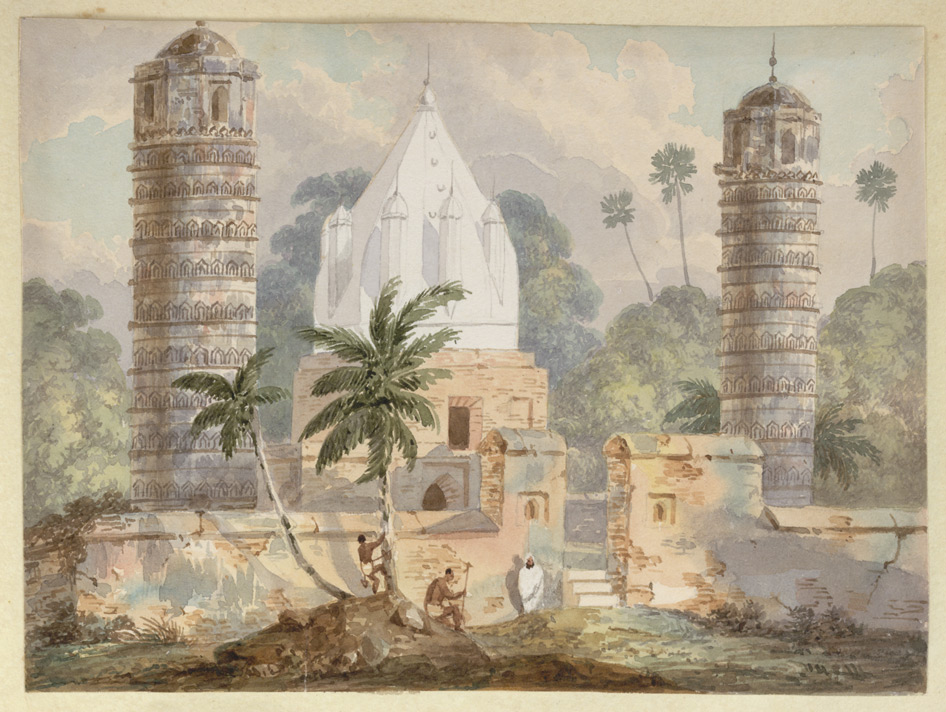
Source – British Library
In the era of Mahabharat, Champa was a place of pilgrimage, and the text describes the place to be situated at approximately six kilometres to the west of Bhagalpur, probably referring to present day Champanagar[2]. It is believed that the kingdom was ruled by Karna, the faithful ally of Kauravas. The city was a pilgrimage center for the followers of Jainism as well. From the Champaka Sreshthi Katha, a Jain manuscript, it is evident that the town was flourishing due to trade of perfumes and spices. One of the major sections of population were weavers, which is true for present day Champanagar as well as silk weavers of Bhagalpur are mostly found in this area. From the manuscript it is also known that Champa was a sacred place for Jains as Parsva, the immediate predecessor of Mahavir is closely associated with Champa. It was also visited by Lord Mahavira who spent three parjjusanas (rainy season retirement) in the ancient city.

During the time of Lord Buddha, Champa was regarded as one of the six great cities of northern India, the other five being Rajgriha, Sravasti, Saketa, Kausambi, and Banaras. However, when Magadh Empire rose to prominence, the once flourishing town of Champa lost its relevance. Bimbisara (603-551 B.C.) annexed the region of Anga into Magadh Empire while Ajatshatru (551 – 519 B.C.), his successor, made Champa his capital. This decision was later taken back and Pataliputra was made the capital of Magadh.
As a part of Magadh Empire, Anga witnessed a change in ruling dynasties, namely Sisunagas, Nandas, Mauryas, Sungas, and Guptas; all in chronological succession. Accounts of the city are also mentioned in travelogue of Fa-Hien and Hiuen-Tsang, who mentions Champa as Chen-po in his records. During the visit of Hiuen-Tsang, Anga was ruled by Khetauris and their political boundary extended from Lakhisarai to Rajmahal on Ganga, and from Parasnath Hill to Kalna. He has mentioned in his records that “there are several sangharamas or viharas mostly in ruins, with about 200 priests. He also mentions that there are about twenty deva temples, and the walls of the capital are built of brick which are several feet high. The foundation of the wall is raised on a lofty embankment, so that by their high escarpment, the city can be protected by the attack of enemies”[3].
Kingdom of Magadh and South Bihar was conquered by Gopala, the Pala king of Bengal in the third decade of the eighth century. His son, Dharampala (770 – 810 C.E.) was a Buddhist and a patron of education, because of which he founded the famous Vikramshila Vihara along the banks of Ganga. The university was founded at approximately 50 kilometers to the eastern side of Champa, further establishing the importance of this ancient town.
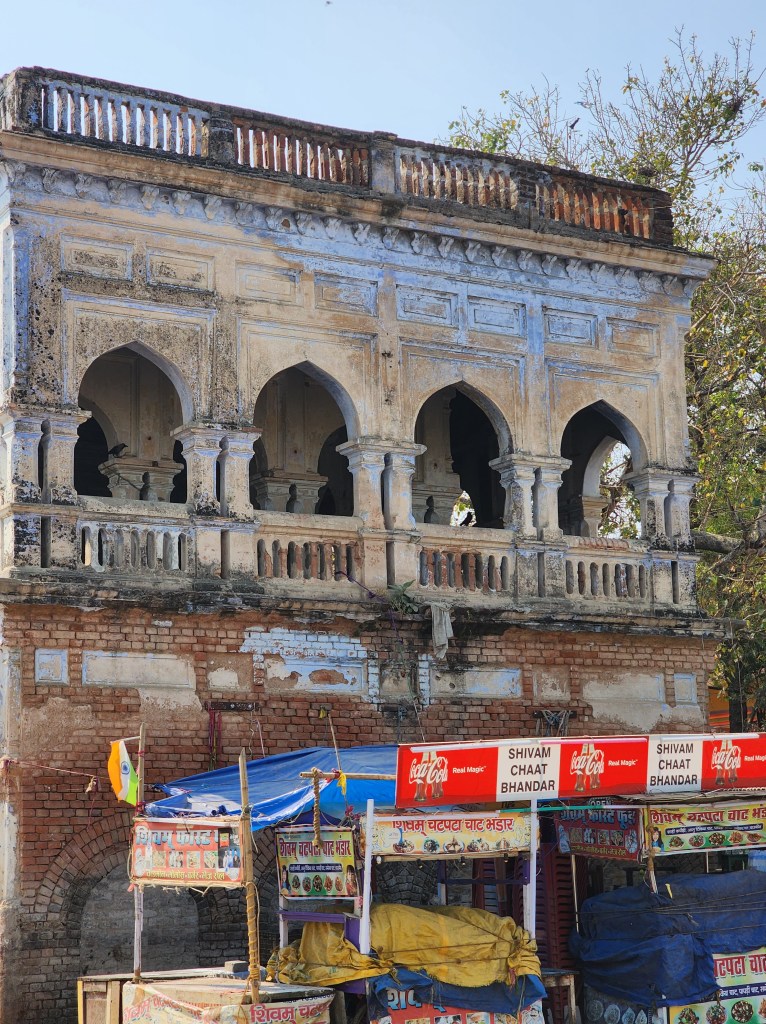
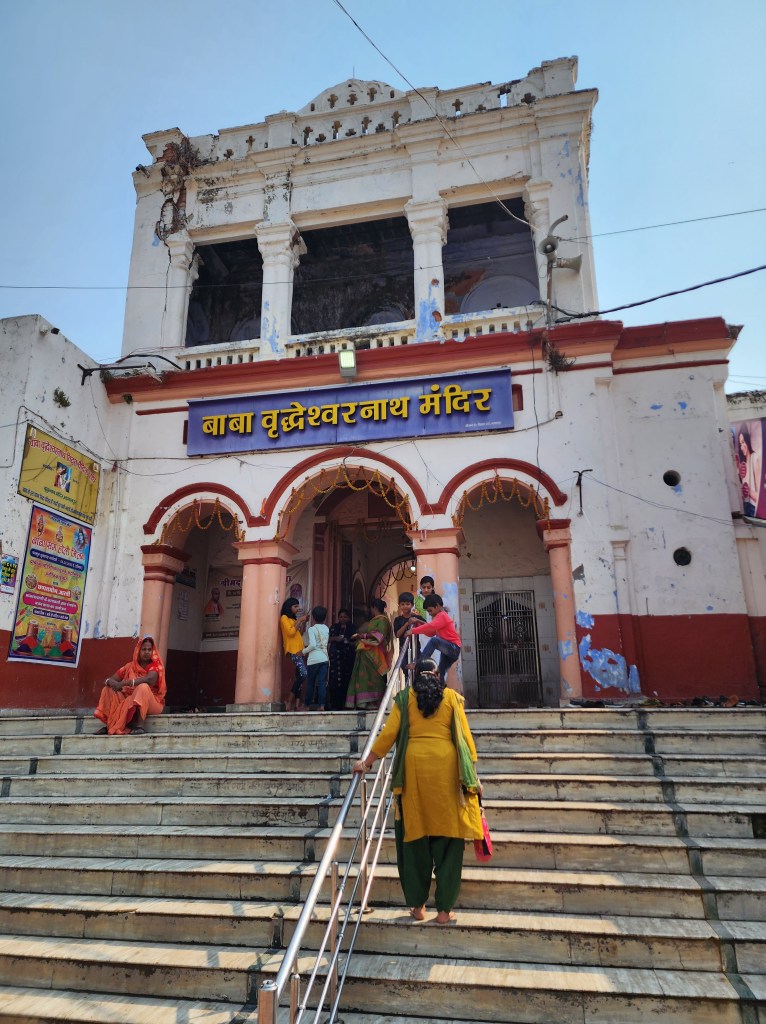
Presently, some of the ancient places that exists in the city are Shri Champapur Digambar Jain Mandir, Bhagwan Vasupujya Champapuri Shwetambar Tirth, Baba Vriddeshwarnath Mandir (Baba Budhanath Mandir), and Karnagarh among others. Excluding these areas there are several heritage sites that came up during medieval and colonial period. Hence, mystery of Karnagarh along with chronicles of Bhagalpur in subsequent time periods will be dealt in upcoming posts, so please keep reading until we meet again!
[1] It should be noted here that this post is focused only on early history of the region and account of subsequent periods will be covered in other posts.
[2] A neighbourhood in modern Bhagalpur city.
[3] District Gazetteer of Bhagalpur, 1962
 Echoes of Time